Dubai Real Estate Market Surges to $36.2 Billion in Q3 2025: Key Insights for Investors
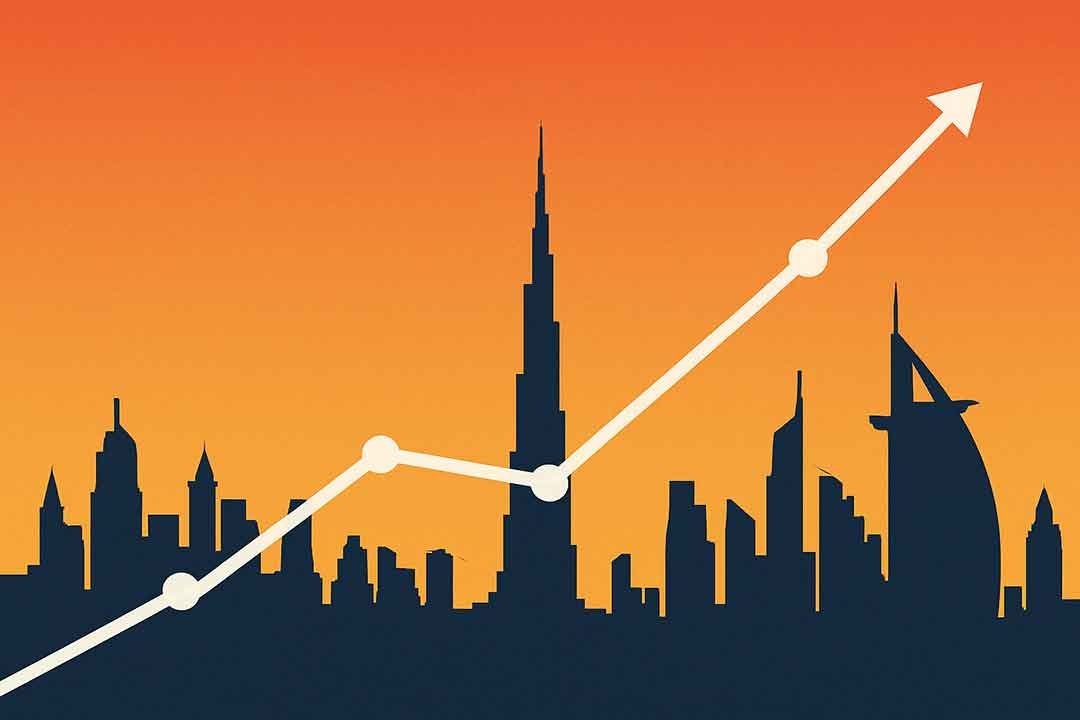
Dubai’s real estate market surged to $36.2 billion in Q3 2025, driven by a 60.8% increase in property transactions.
1. Market Momentum and Investor Confidence
Dubai’s property sector continues to demonstrate remarkable resilience and growth, with Q3 2025 marking a significant milestone. The surge in transactions to over 52,000 deals, valued at AED 132.8 billion, reflects heightened investor confidence fueled by the emirate’s expanding population and robust economic policies.
For investors, this momentum signals a thriving market with strong liquidity and increasing asset values. Average prices rose 17.4% year-on-year, reaching AED 1,913 per square foot, underscoring the appreciation potential in Dubai real estate.
2. Population Growth and Strategic Urban Development
Dubai’s population has surpassed 4 million, intensifying demand across all property segments. This demographic expansion aligns with government initiatives such as the Economic Agenda D33 and the Urban Master Plan 2040, which focus on sustainable urban growth and global competitiveness.
These frameworks ensure that infrastructure development, community planning, and real estate supply will meet long-term demand, creating a stable environment for property investment.
3. Luxury Property Demand and Global Wealth Inflows
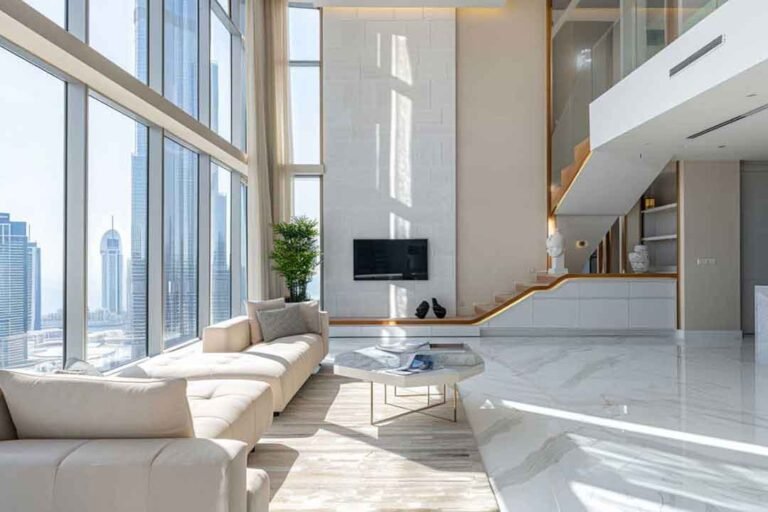
The influx of high-net-worth individuals is reshaping Dubai’s luxury real estate landscape. With nearly 9,800 new millionaires expected in 2025, demand for ultra-luxury homes in prime locations like Downtown Dubai and the emerging Billionaire Island is surging.
Dubai now ranks among the world’s busiest markets for transactions exceeding $10 million, highlighting its stature as a global luxury property hub. Investors targeting luxury homes Dubai will find compelling opportunities driven by exclusivity, privacy, and lifestyle appeal.
4. Key Locations and Property Types Leading the Market
Apartment sales dominate the market, with Jumeirah Village Circle (JVC), Business Bay, and Dubai Marina leading transaction volumes. These areas offer a blend of accessibility, amenities, and lifestyle that attract both end-users and investors.
Meanwhile, villas and townhouses, particularly four-bedroom units in Dubai Hills Estate, Mohammed Bin Rashid City, and Damac Lagoons, remain highly sought after. These properties cater to families and investors seeking spacious, premium residences.
5. Supply Dynamics and Investment Timing
Over 81,000 units are scheduled for handover in 2025, with hotspots like JVC and Emaar Beachfront expected to absorb new supply efficiently. This balanced supply-demand dynamic reduces the risk of oversupply and supports price stability.
For investors considering when and where to buy property in Dubai, understanding these supply trends is critical. Early entry into high-demand off-plan projects or established communities can maximize capital appreciation and rental yields.
6. Strategic Considerations for Dubai Real Estate Investors
Dubai’s real estate market is not only expanding in volume but also evolving in sophistication. Investors should focus on areas with strong infrastructure, government backing, and growing population density.
Given the surge in luxury property transactions and the emirate’s global appeal, diversifying portfolios to include high-end residential assets can offer both capital growth and portfolio resilience.
Additionally, staying informed on regulatory developments and market reports ensures investors capitalize on emerging trends and maintain competitive advantage.
Let’s Connect.
Whether you’re in the market to purchase or sell your property, we assure you that our knowledge, professionalism and unwavering commitment will help you fulfill your individual real estate requirements.
HELLO@BONDPROPERTIESGLOBAL.COM
Source: Original article (10.01.2025)