Navigating Dubai’s Housing Supply Gap: What Investors Need to Know in 2025
Dubai’s rapid population growth is creating a critical imbalance in housing supply that investors must carefully consider.
1. Population Surge and Housing Demand
Dubai’s population has reached over 4 million in 2025, growing at an annual rate of 4.47%, which translates to approximately 470 new residents every day. This demographic expansion is largely driven by long-term visa reforms and a strong influx of global talent and high-net-worth individuals. For real estate investors, this means a sustained demand for nearly 150 new homes daily to accommodate the growing population.
2. Supply Lag and Delivery Challenges
Despite record-breaking project launches, the pace of housing completions is lagging significantly. In 2025, only around 44,000 units are expected to be delivered, far short of the demand created by population growth. This gap is exacerbated by a widening discrepancy between the number of units launched and those actually handed over, with less than 25% of launched projects reaching completion within expected timeframes. For investors, this delivery lag signals potential delays in returns and a cautious approach to project timelines.
3. Apartment Oversupply vs. Villa Scarcity
Developers are predominantly focusing on high-density apartment projects, which constitute nearly 89% of new launches this year. While apartments provide accessible entry points for many investors and residents, this emphasis has created a supply bias. Villas and townhouses, which cater more to families and long-term residents, represent only about 11% of new launches. This imbalance has led to a shortage of larger family homes, pushing villa prices up by as much as 11% in 2025 and increasing rental values significantly.
4. Market Segmentation and Investment Implications
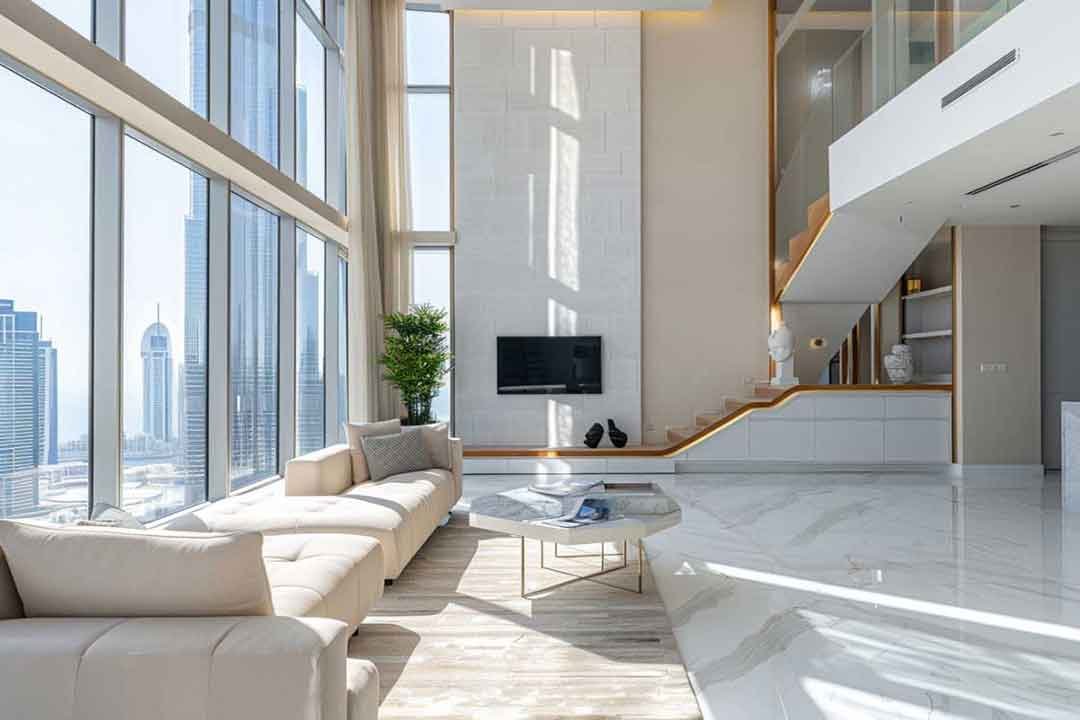
The current market is effectively bifurcated. Apartments absorb short-term population growth and investor demand, offering relatively affordable options and quicker turnover. Conversely, villas and townhouses serve a premium segment with limited inventory, driving higher prices and rental yields. Investors focused on luxury homes in Dubai should note that scarcity in this segment may provide opportunities for capital appreciation and stable rental income, especially in sought-after communities like Dubai Hills Estate, Al Barari, and Jumeirah Islands.
5. Strategic Location Considerations
Areas with significant apartment supply include Jumeirah Village Circle, Townsquare, Damac Hills, Arjan, and Studio City. These locations are attractive for investors targeting rental yield and capital growth in the apartment sector. For those seeking luxury villa investments, communities with limited but high demand inventory remain the best options. Understanding these dynamics is crucial for aligning investment strategies with market realities.
6. Long-Term Outlook for Dubai Real Estate
With many large-scale developments scheduled for completion beyond 2027, Dubai’s housing market will continue to evolve over the coming years. The emphasis on apartment supply will likely persist, but the ongoing villa scarcity suggests sustained upward pressure on prices in that segment. Investors should monitor delivery schedules and population trends closely to optimize portfolio performance and mitigate risks associated with oversupply in certain sectors.
Let’s Connect.
Whether you’re in the market to purchase or sell your property, we assure you that our knowledge, professionalism and unwavering commitment will help you fulfill your individual real estate requirements.
HELLO@BONDPROPERTIESGLOBAL.COM
Source: Original article (11.08.2025)