
Dubai Real Estate Market Hits $24.7 Billion in Q3 2026, Led by Off-Plan Sales
Dubai’s real estate market surged to $24.7 billion in Q3 2026, driven predominantly by off-plan sales.
1. Market Overview and Transaction Dynamics
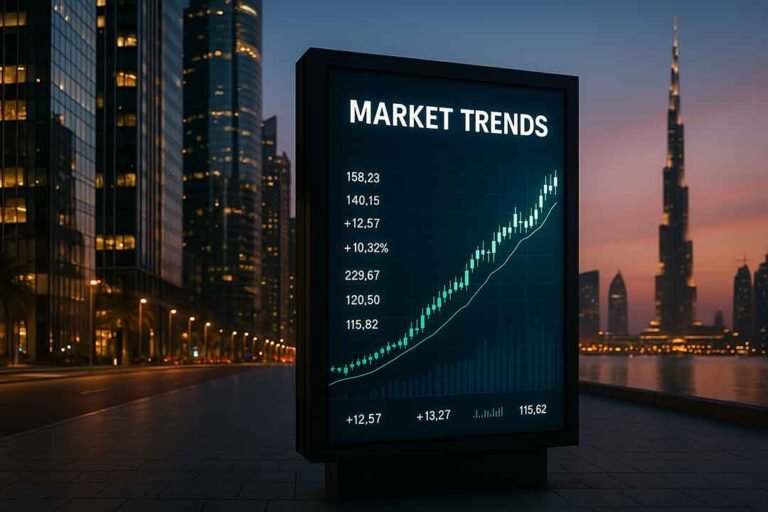
Dubai’s real estate sector recorded AED90.62 billion ($24.68 billion) in transactions during the third quarter of 2026, encompassing both residential and commercial properties. Residential sales dominated with AED72.58 billion across nearly 34,000 transactions. Off-plan properties led this surge, accounting for AED41.58 billion from over 23,000 deals, while the secondary market contributed AED30.83 billion through more than 10,000 transactions. This robust activity reflects a 24.22% increase in transaction value and a 22.52% rise in volume compared to the previous quarter, signaling sustained investor confidence and market liquidity.
2. Off-Plan Properties: The Growth Engine
The off-plan segment remains central to Dubai’s real estate expansion, offering investors access to a diverse range of price points, locations, and property types. This breadth caters to the city’s growing population and evolving housing needs. Off-plan sales accounted for the largest share of residential transactions, underscoring their appeal to buyers seeking modern developments with flexible payment plans and potential capital appreciation. For investors, off-plan properties present opportunities to enter the market early, often at competitive prices, with the prospect of strong returns as projects complete.
3. Key Locations Driving Residential Activity
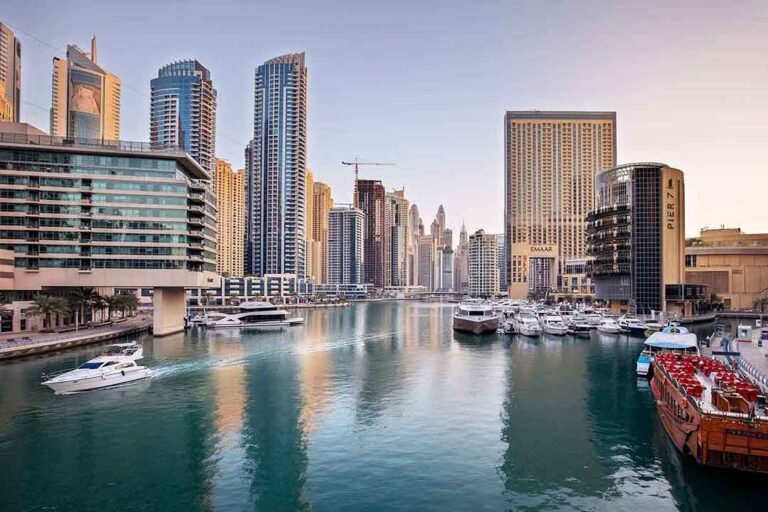
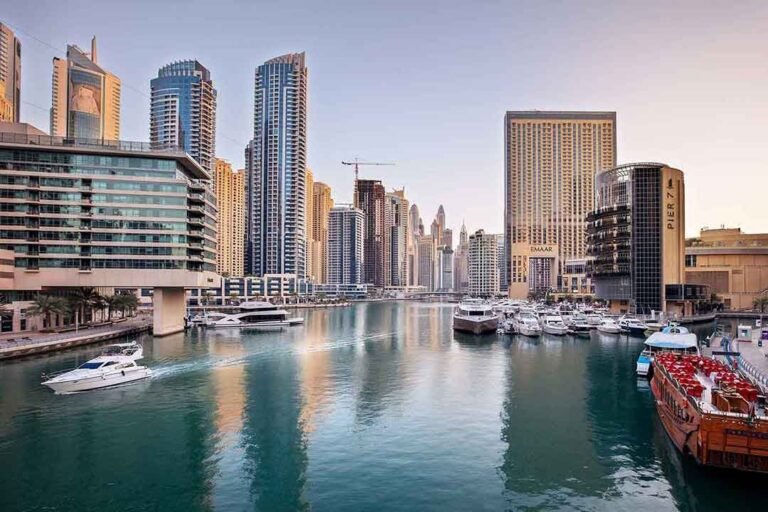
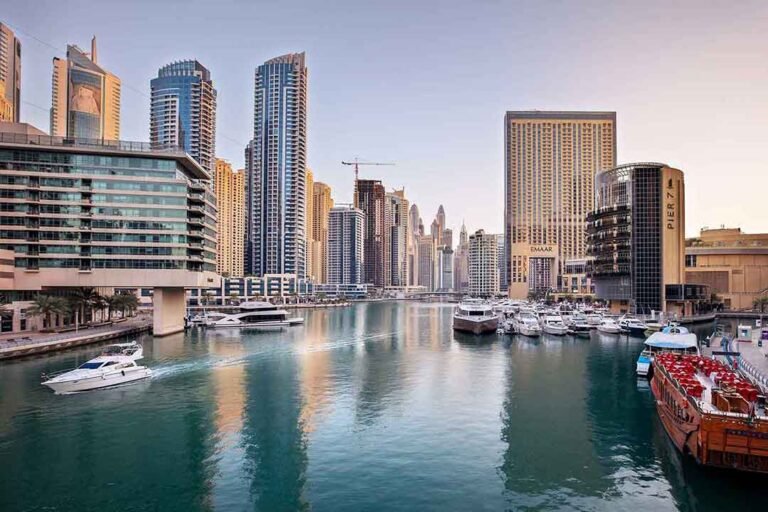
Dubai South emerged as the most active residential area, registering over 5,000 transactions at an average price of AED1,690 per square foot. Other high-performing communities included Jumeirah Village Circle and Downtown Jebel Ali, which saw transaction volumes increase quarter-on-quarter. Established hubs like Business Bay, Dubai Creek Harbour, and Dubai Marina also maintained strong sales momentum. This geographic diversification highlights Dubai’s expanding residential landscape, with new communities complementing traditional hotspots, thus offering investors a wider selection aligned with their investment strategies.
4. Pricing Trends and Property Types
Properties priced below AED3 million represented more than 84% of transactions, with the largest share falling between AED1 million and AED3 million. Villas commanded the highest average price at AED2,216 per square foot, followed by apartments at AED1,794 and townhouses at AED1,341. These figures reflect distinct buyer profiles and supply dynamics across property categories. For luxury investors, villas remain a premium asset class, while apartments offer scalable opportunities in high-demand locations.
5. Commercial Real Estate: Stability and Opportunity
Dubai’s commercial real estate market sustained its strength with AED18.04 billion in transactions over nearly 2,800 deals. Land sales led the commercial segment by value, accounting for 38.3% at AED6.91 billion. Office spaces were highly active, with over 1,100 transactions valued at AED4.35 billion. Whole-building transactions also increased, representing over 20% of commercial sales value. This stability in commercial assets complements residential growth and provides investors with diversified portfolio options in a market supported by ongoing economic expansion.
6. Strategic Implications for Investors
The sustained growth in Dubai’s real estate market reflects the city’s expanding population, infrastructure investments, and economic diversification efforts. For investors, the expanding off-plan market offers early access to new developments with potential for capital appreciation. Meanwhile, established areas continue to provide steady rental yields and resale value. The broadening geographic spread of transactions indicates emerging opportunities beyond traditional districts, encouraging investors to explore both core and emerging communities to optimize returns.
7. Outlook and Market Considerations
As Dubai enters the final quarter of 2026, the pipeline of residential and commercial projects remains strong. Increasing supply is expected to intensify competition, placing greater emphasis on location, pricing, and quality. Investors should closely monitor market fundamentals, including infrastructure developments and demographic trends, to identify high-potential assets. The city’s strategic positioning as a global business and lifestyle hub continues to underpin long-term real estate demand, making Dubai a compelling destination for luxury property investment.
Let’s Connect.
Whether you’re in the market to purchase or sell your property, we assure you that our knowledge, professionalism and unwavering commitment will help you fulfill your individual real estate requirements.
HELLO@BONDPROPERTIESGLOBAL.COM
Source: Original article (10.06.2026)