
Dubai Rental Market Outlook 2026: Moderate Growth Amid Population Expansion
Dubai’s rental market is set for moderate growth in 2026, driven by population expansion and evolving supply dynamics.
1. Market Overview and Population Impact
Dubai’s population surpassed four million in 2025, reinforcing the emirate’s position as a global hub for professionals, investors, and high-net-worth individuals. This demographic surge directly impacts demand for residential properties, particularly in luxury segments where lifestyle and location are paramount. For investors, understanding this population-driven demand is critical to capitalizing on rental income opportunities and long-term asset appreciation.
2. Rental Growth Forecast and Supply Considerations
Industry experts anticipate rental increases of up to 6% in 2026, a tempered pace compared to previous years. This moderation reflects a maturing market where new supply is gradually balancing demand. However, rent hikes will be uneven across Dubai’s neighborhoods. Areas with constrained supply, especially those offering villas, townhouses, and larger apartments in established communities, will experience stronger rental growth.
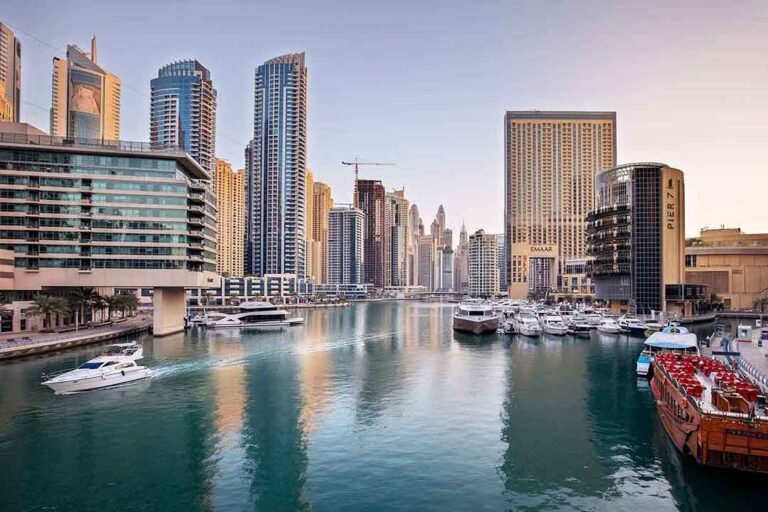
Conversely, districts with significant new developments, such as Dubai Hills Estate, Business Bay, Downtown Dubai, and Dubai Marina, will see more competitive rental markets. Increased supply in these locations encourages landlords to adopt flexible leasing terms and offer incentives, making them attractive yet less prone to steep rent escalations.
3. Strategic Investment Locations
For investors targeting luxury homes Dubai, focusing on communities with limited new supply is a prudent strategy. Arabian Ranches, Palm Jumeirah, and Dubai Hills Estate remain prime areas due to their connectivity, amenities, and lifestyle offerings. These neighborhoods consistently attract tenants willing to pay premium rents, ensuring stable yields.
Additionally, family-oriented communities with strong access to schools, business districts, and transport links will maintain robust rental demand. Investors should prioritize properties that offer both lifestyle appeal and strategic location advantages to maximize rental income and capital growth.
4. Evolving Landlord Strategies and Tenant Dynamics
As the rental market evolves, landlords are adopting more tenant-centric approaches to remain competitive. Flexible payment options, digital transaction platforms, and tailored lease agreements are increasingly common. Moreover, older buildings are enhancing value through selective renovations and maintenance packages to compete with newer developments.
This shift benefits investors by reducing vacancy risks and improving tenant retention. Aligning property management strategies with these trends is essential for optimizing returns in Dubai’s luxury real estate market.
5. Implications for Dubai Real Estate Investors
Dubai’s rental market balance between supply and demand presents a strategic window for investors. Moderate rent growth combined with population-driven demand supports sustainable yields, especially in luxury segments. However, careful selection of locations and property types is paramount to navigate supply fluctuations and tenant preferences.
Investors should monitor emerging supply pipelines and demographic trends to time acquisitions and portfolio diversification effectively. Engaging with market specialists and leveraging data-driven insights will enhance decision-making and investment outcomes in this dynamic environment.
Let’s Connect.
Whether you’re in the market to purchase or sell your property, we assure you that our knowledge, professionalism and unwavering commitment will help you fulfill your individual real estate requirements.
HELLO@BONDPROPERTIESGLOBAL.COM
Source: Original article (12.29.2025)